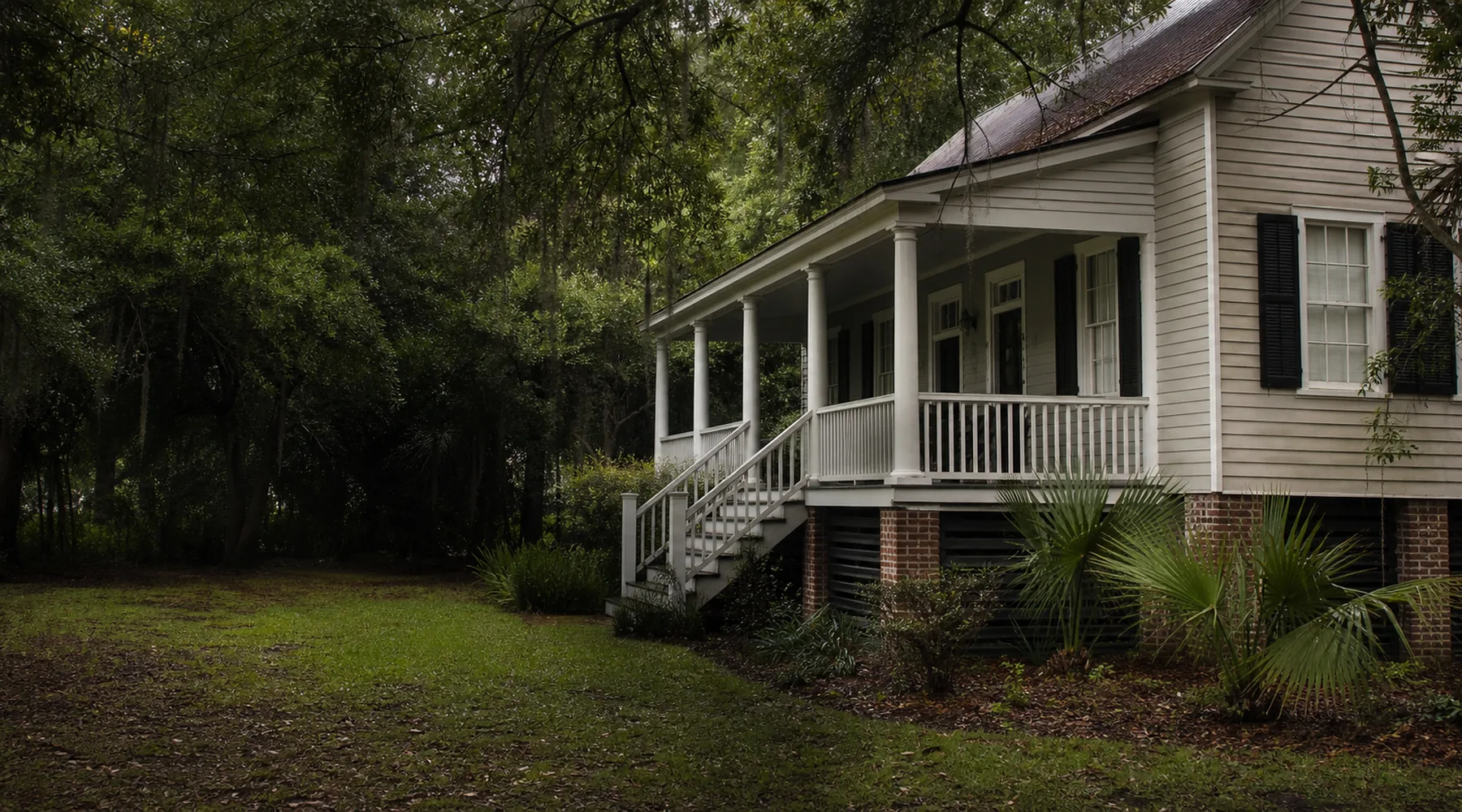
Charleston foundation repair guidance
Foundation Repair in Charleston, SC
Map movement, moisture, and load paths before choosing a repair.
Much of peninsular Charleston sits on reclaimed marsh and soft pluff mud, ground soft enough that the city required earthquake rods and iron star-shaped anchor plates on brick buildings well before the 1886 earthquake made that kind of reinforcement famous. Newer construction on James Island, West Ashley, and the outskirts trades that historic masonry for slab and pier-and-beam homes, but the same low elevation, tidal reach, and salt air still shape how a foundation performs here.
Think of this as a Charleston-area intake point, not a construction company -- separate independent providers actually do the work, and which ones are free changes week to week.
Built around local conditions
Around Charleston, what the ground is doing under a house explains more than the crack on its own ever will.
Pluff mud compresses under weight in a way ordinary clay doesn't, so a pier that seemed fine at construction can settle years later as the soft marsh sediment beneath it continues to consolidate -- that's a different mechanism than typical soil movement and it calls for a different fix.
A good chunk of the low-lying city was marsh before it was built on, which means today's flood maps, drainage easements, and any historic-district review overlap in ways that are worth sorting out on a parcel-by-parcel basis before committing to a repair plan.
Review local sources →Project paths
Start with the work you are considering.
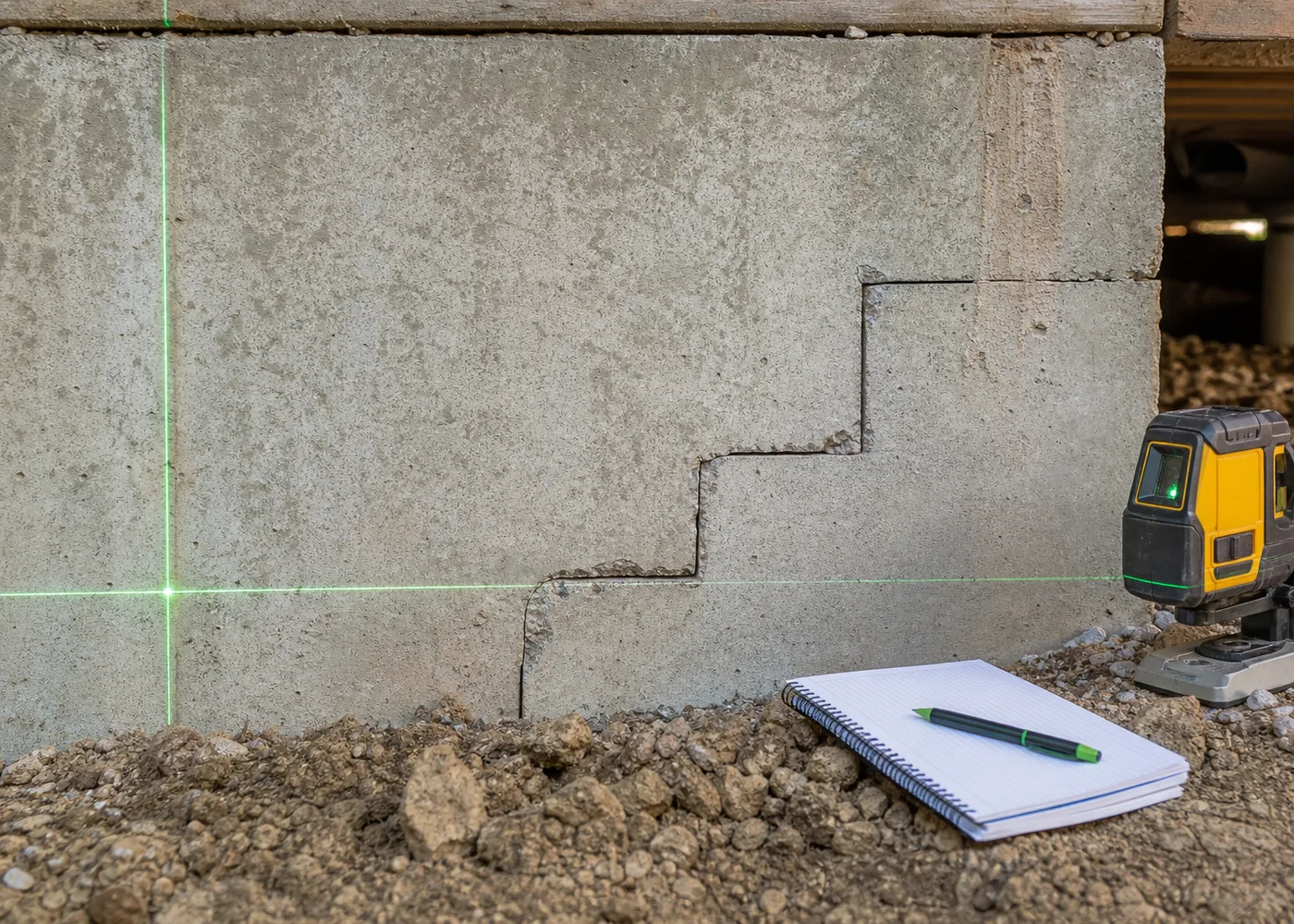
The work that lasts
Details hidden later deserve attention now.
A pier that was leveled a decade ago on Charleston's soft ground may already be out of level again, simply because pluff mud keeps consolidating under load long after ordinary soil would have stopped moving.
See a sensible project process →Local housing context
“Charleston's low, marsh-adjacent ground shaped construction habits here long before modern building codes existed -- raised foundations and reinforced masonry were practical responses to conditions the city still deals with.”
Planning-level cost context
Compare scopes—not just totals.
Two Charleston addresses a few blocks apart can price very differently depending on whether the lot was built on fill, how close it sits to tidal water, and whether historic-district review adds its own approval step.
Tell us what you are planning
Put the Charleston property's specifics on the table.
What you enter here reaches a separate, independent provider who covers the Charleston area -- this site itself doesn't send anyone out.
Common questions
Plain answers before you call about a Charleston property.
Are you the contractor?
No. This site takes in Charleston-area requests and passes them along; the actual work is done by a separate, independent provider.
Is a provider guaranteed?
No -- coverage in the Charleston area shifts, so check what's currently available before assuming a particular provider can take the job.
Can I get an exact price online?
No. Charleston pricing depends on what an in-person look turns up -- soil, access, existing damage, and the scope actually requested.